Whether you’re installing a fence, digging a drainage ditch, planting trees or carrying out larger construction works, it’s easy to forget what’s hidden beneath the ground.
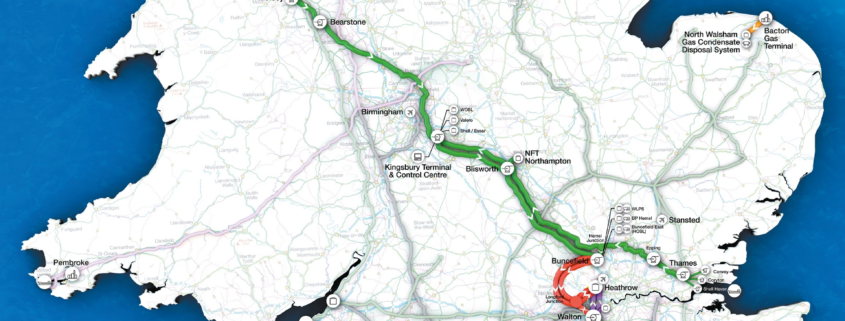
Yet the latest industry data shows that hundreds of potentially dangerous incidents occur every year when work takes place near buried pipelines. While overall pipeline infringements fell during 2025, there were still more than 800 recorded incidents across the UK, including several cases where pipelines were actually damaged.
The message is simple: before you break ground, make sure you know what’s below.
Most Incidents Are Preventable
The UKOPA 2025 Infringement Database Report recorded 805 infringements involving high-pressure pipelines, ranging from near misses to actual damage. Although this represents an encouraging reduction compared with the previous year, five incidents resulted in direct damage to pipelines.
Several of these incidents involved routine activities such as excavation and drainage works, demonstrating that even seemingly straightforward projects can have serious consequences if underground assets are not properly identified before work starts.
Damaging a buried pipeline can lead to service disruption, costly repairs, environmental impacts and, in some circumstances, significant risks to public safety.
The Activities Most Commonly Involved
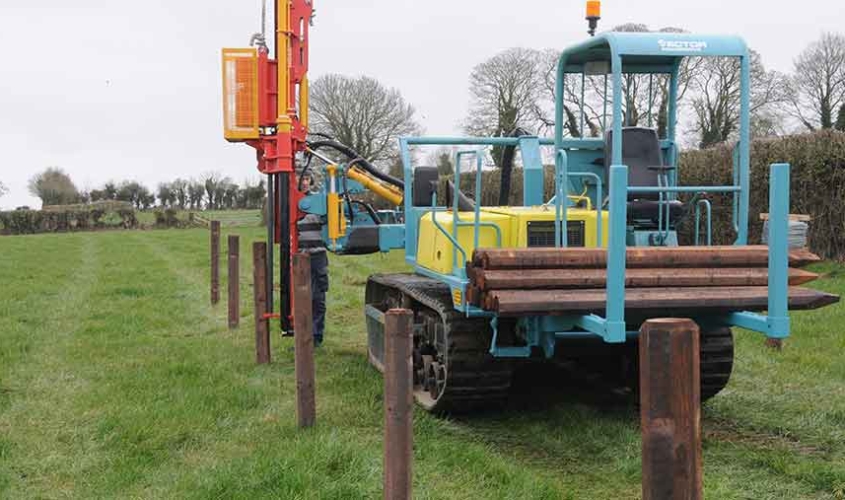
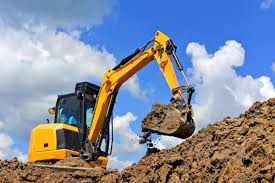
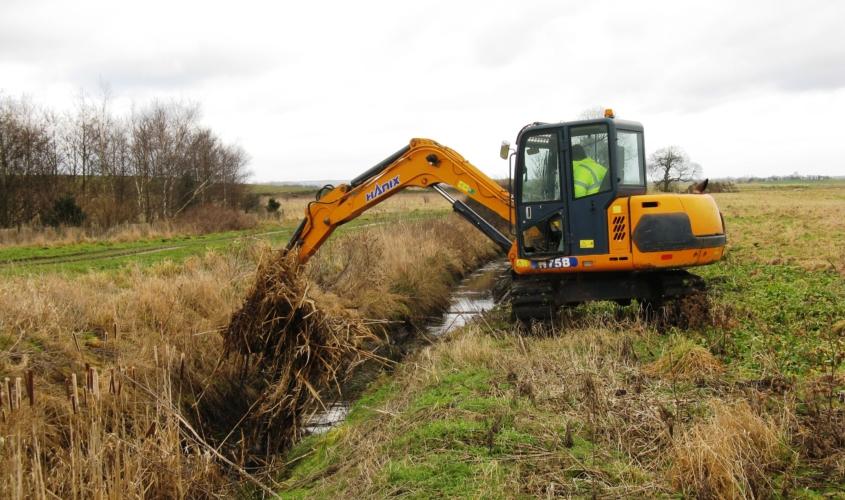
The report found that excavation-related activities remain the leading cause of infringements, accounting for more than a quarter of all incidents recorded during 2025. Fencing, ditching and drainage work also featured prominently.
These are exactly the types of projects carried out every day by:
- Farmers and agricultural contractors
- Fencing contractors
- Groundworkers
- Builders and developers
- Utility contractors
- Landowners
- Homeowners undertaking larger landscaping projects
Many of these activities begin with good intentions but become risky when underground assets are not identified before work starts.
Rural Areas Remain a Key Focus
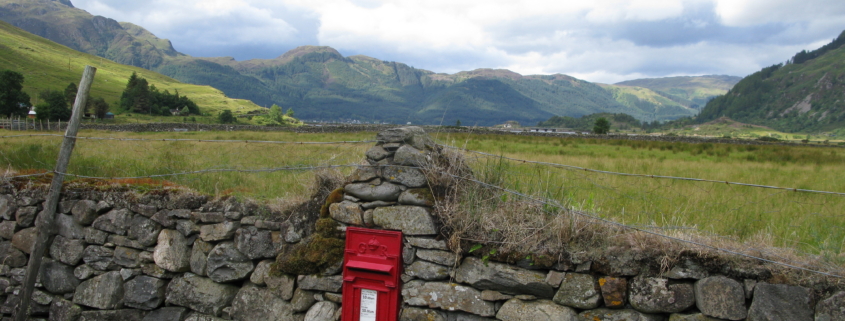
Around 70% of all recorded infringements occurred on farmland and private land.
This highlights the importance of raising awareness among landowners, tenants and agricultural contractors who may be carrying out drainage improvements, fencing projects, access works or other routine land management activities.
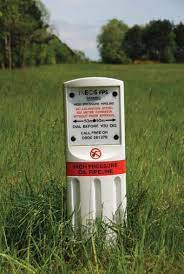
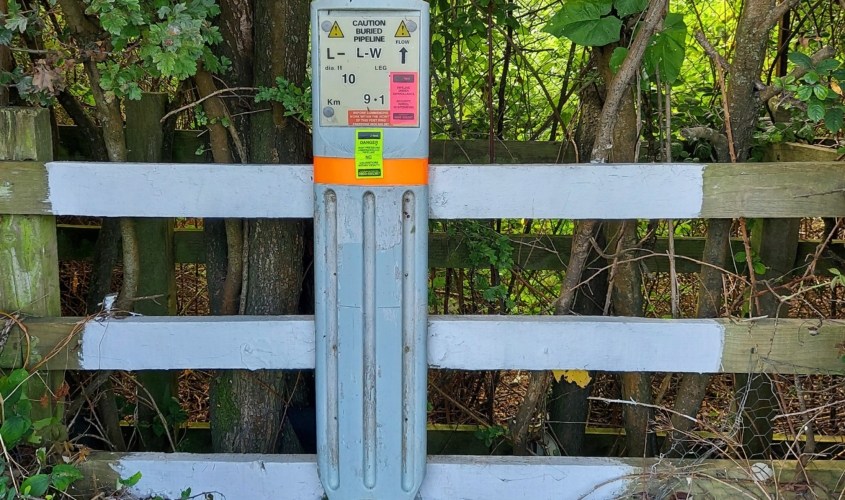
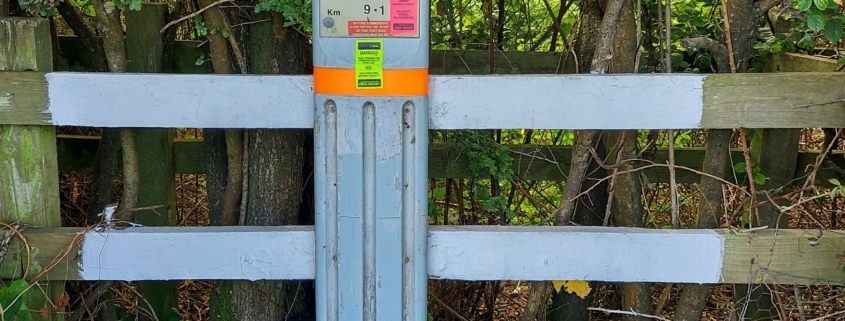
Pipelines often cross land where there are few visible signs of their presence. Even where marker posts are present, they indicate the general route of a pipeline rather than its precise location.
What Should You Do Before Starting Work?
If you’re planning any excavation or ground disturbance activity, no matter how minor it may seem, follow these simple steps:
- Check for Underground Assets
Always use available asset search services before beginning work. Understanding what may be buried beneath your site is the first step in preventing damage. (Line Search Before You Dig is a useful tool for this – https://lsbud.co.uk).
- Contact the Pipeline Operator
If a pipeline is identified near your planned works, contact the operator as early as possible. They can provide guidance, confirm pipeline locations and explain any restrictions or safety requirements.
- Follow Safe Digging Practices
Never assume you know where a pipeline is located. If unsure contact BPA and we can visit the site and help mark out the pipeline’s location and supervise works. Several incidents highlighted in the report demonstrated how assumptions about underground assets can lead to damage and near misses.
- Make Sure Everyone on Site Is Aware
Before work begins, ensure all contractors, machine operators and workers understand:
- What pipelines are present
- Where they are located
- What permits or approvals are required
- What emergency procedures should be followed
Good communication remains one of the most effective ways to prevent incidents.
- Stop Work If You’re Unsure
If something doesn’t look right, stop and seek advice.
Unexpected buried assets, unclear markings or discrepancies between plans and site conditions should always be investigated before work continues.
Awareness Makes a Difference
There are positive signs that awareness campaigns are helping. Every year BPA write to landowners to remind them of the pipelines and the landowners obligations if working in the vicinity of them. Positively, the report notes a continuing reduction in fencing-related infringements following industry efforts to raise awareness of safe working practices around pipelines.
This demonstrates that when people understand the risks and know where to find guidance, incidents can be prevented.
Know What’s Below Before You Dig
Most pipeline strikes and near misses are avoidable. Taking a few minutes to check for underground assets and engage with asset owners can prevent injuries, service disruptions, environmental damage and costly delays.
Whether you’re installing a fence, digging a trench, improving drainage or managing agricultural land, the safest approach is always the same:
Plan ahead. Check what’s below. Contact asset owners. Work safely.
Because when it comes to buried infrastructure, what you can’t see can hurt you.