
Buried pipelines – how deep are they and why you should never assume a particular depth
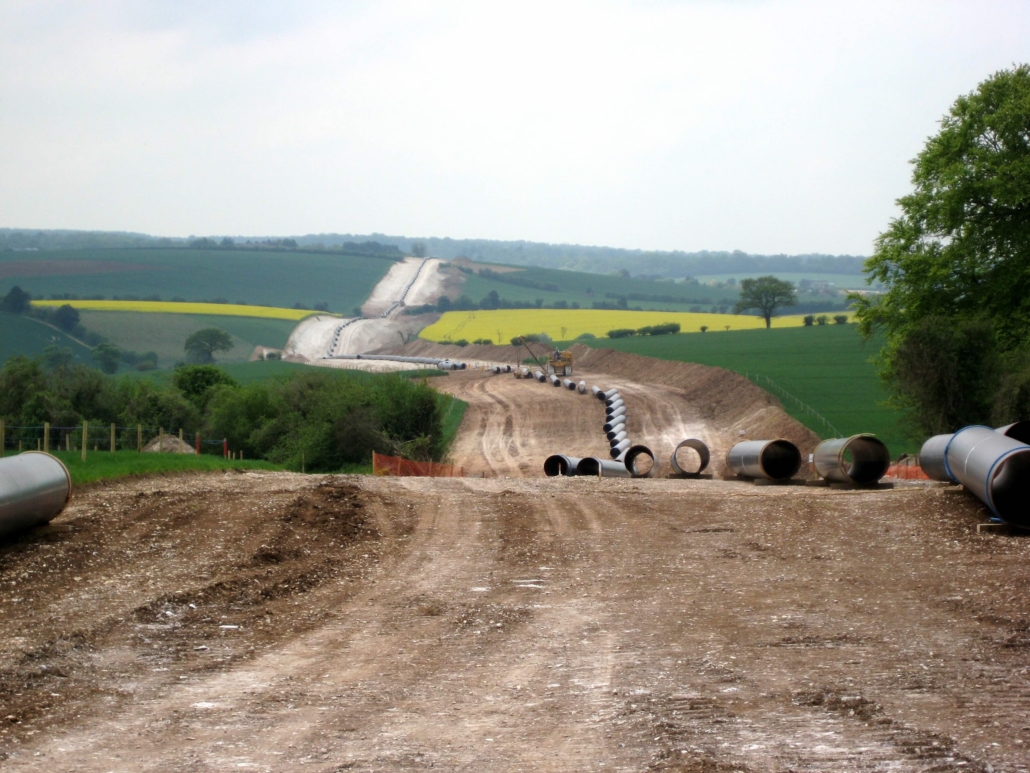
Buried pipelines transport essential products safely and efficiently across the UK, but how deep are they? As they pass beneath privately owned farmland and other rural land – often without affecting normal day-to-day activities.
However, work that disturbs the ground can damage a pipeline, potentially putting the person carrying out the work, others nearby and the wider community at serious risk. That is why landowners, occupiers and contractors should always contact the pipeline operator before beginning any work near a pipeline.
Crucially, you should never assume that a pipeline is at a particular depth – even if you have worked the land safely for many years.
What is “depth of cover”?
The depth of cover is the distance between the top of a buried pipeline and the surface of the ground above it.
Current industry standards generally specify minimum depths when new pipelines are installed. Depending on the type of pipeline and its location, these commonly range from around 0.9 metres to 1.2 metres, with greater depths often required beneath railways.
These figures should never be used to estimate the actual depth of an existing pipeline. Some pipelines have been operating for more than 60 years and may have been installed under earlier standards that required less cover. Ground levels can also change considerably over time.
A pipeline that was originally installed with an appropriate depth of cover may therefore be closer to the surface today.
Why might a pipeline be shallower than expected?
There are several reasons why the amount of soil covering a pipeline can reduce.
Natural erosion
Rainwater can gradually wash soil away, particularly on sloping land or where water collects and forms channels or gullies. Wind can also remove dry, fine soil, especially where land has little vegetation or shelter.
Changing weather patterns, including periods of heavier rainfall and prolonged dry conditions, can increase these effects.
Changes in the soil
Organic soils such as peat can shrink as they dry and decompose. Clay soils can also expand when wet and shrink during dry weather. Over time, these natural changes may alter the ground level above a pipeline.
Farming activity
Regular cultivation can gradually move soil and change field levels. Deep cultivation, subsoiling, mole ploughing, land drainage and ditch maintenance can present particular risks.
Laser land levelling can remove significant amounts of soil from some areas, while turf harvesting may progressively lower the ground surface over several years.
Livestock movement can also compact the ground, particularly around gateways, drinking troughs and feeding areas. Heavy agricultural machinery and the storage of materials can have a similar effect.
Construction and changes in land use
Excavation, landscaping, construction work, new roads, tracks and hardstanding can all alter ground levels or change how water drains across a site.
Previous work may also have removed soil without the present landowner or contractor being aware of it.
Pipeline markers do not show the exact position or depth
Pipeline marker posts provide an important warning that a pipeline is present, but they do not necessarily identify its precise position. They also provide no indication of how deep the pipeline is.
The pipeline may not run in a completely straight line between marker posts, and the depth can vary along its route. A pipe may have adequate cover in one part of a field but be significantly shallower near a ditch, gateway, slope or area affected by erosion.
Never use marker posts alone to decide where it is safe to dig.
What work should be discussed with BPA?
You should contact BPA before carrying out any activity that could disturb the ground or place unusual loads over or near the pipeline. This may include:
- Excavation, digging or trenching
- Installing or repairing land drains
- Deep ploughing, subsoiling or mole ploughing
- Ditch construction, cleaning or reprofiling
- Installing fencing, gateposts or signs
- Planting or removing trees
- Installing utilities, cables, pipes or irrigation systems
- Building tracks, roads, hardstanding or structures
- Using heavy plant or crossing the pipeline with unusually heavy vehicles
- Land levelling, landscaping or removing topsoil
- Storing heavy materials
- Construction or development work
This list is not exhaustive. If you are unsure whether an activity could affect a pipeline, contact the operator and ask before starting.
Restrictions and notification requirements can vary according to the pipeline, its location and the agreements affecting the land. The pipeline operator can provide advice for the specific site and proposed activity.
What should you do before work begins?
Contact BPA as early as possible, ideally while the work is still being planned. Explain:
- Where the work will take place
- What you intend to do
- The machinery and equipment you plan to use
- How deeply the ground may be disturbed
- When the work is expected to begin
The operator may arrange to locate and mark the pipeline, confirm the precautions required, supervise certain activities or advise that the proposed method should be changed. Where reduced cover is known or suspected, additional controls may be necessary.
Make sure contractors and machinery operators are also told about the pipeline and understand the agreed working arrangements. Do not assume that someone else has contacted the operator.
Work should not begin until the required advice or consent has been obtained.
What can landowners do near a buried pipeline?
Many routine activities can usually continue safely, provided they comply with the pipeline operator’s requirements and any agreements relating to the land.
However, an activity that has previously been completed without incident is not automatically safe to repeat. The depth of cover may have changed, different equipment may penetrate more deeply, or the pipeline may be closer to the surface in one particular area.
Always check before introducing a new activity, changing machinery or working methods, excavating more deeply than usual or carrying out work in an area affected by erosion or altered ground levels.
Communication is the most important precaution
Buried pipelines are designed, inspected and maintained to operate safely. Pipeline operators also monitor their routes and may use surveys to identify areas where the depth of cover has reduced.
Landowners and occupiers play an essential part in protecting pipelines by reporting changes to the land and providing early notice of planned work.
If you notice erosion, exposed protective materials, a damaged or missing marker post, an unexpected depression in the ground or any other change near a pipeline route, tell BPA promptly.
Above all, never rely on an assumed depth. A quick conversation with the pipeline operator before starting work can prevent damage, delay, financial cost and potentially serious injury.
Know what’s below. Contact the pipeline operator before you dig or disturb the ground.


